
At an Instituto Diálogos seminar, IBRAM calls for defining priority critical minerals to guide investment and Brazilian industrial policy.
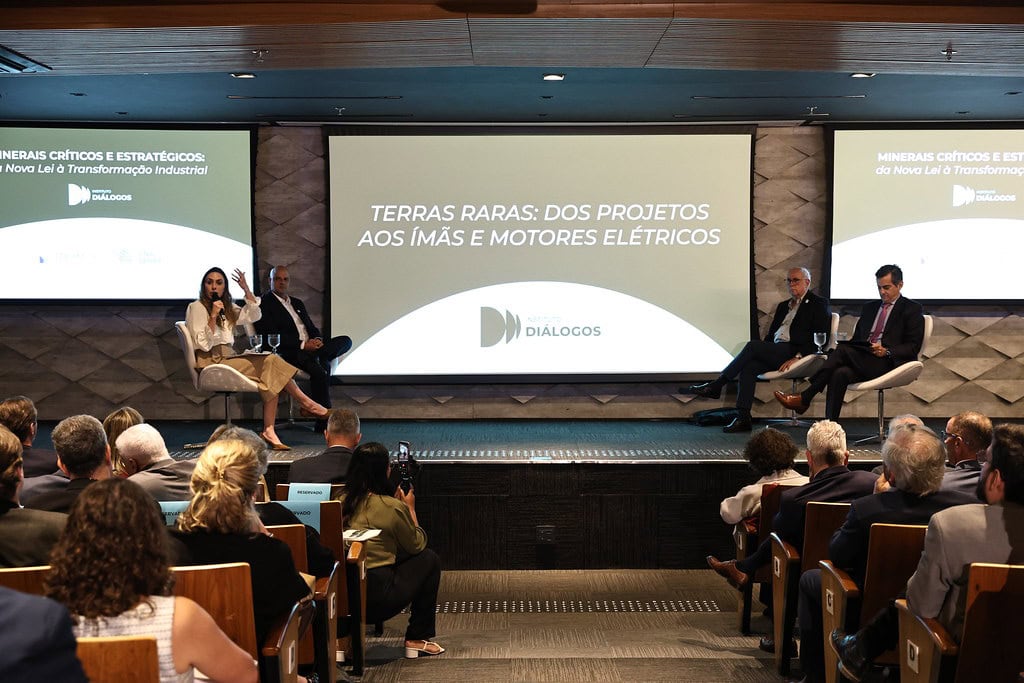
Progress on rare earth projects in Brazil depends on a combination of legal certainty, financing, technological development and an industrial policy capable of creating demand for the minerals produced in the country. The topic was discussed on October 8, during the panel “Rare earths: from projects to magnets and electric motors,” at the seminar “Critical Minerals: From the New Law to Industrial Transformation,” held by Instituto Diálogos in Brasília.
The debate featured Julio Nery, Director of Mining Affairs and Sustainability at the Brazilian Mining Institute (IBRAM); Frederico Bedran, Executive Director of the Critical Minerals Association (AMC); and Jose Augusto Palma, Executive Vice President of Aclara Resources. It was moderated by economist Rafaela Guedes, Senior Fellow at the Brazilian Center for International Relations (CEBRI).
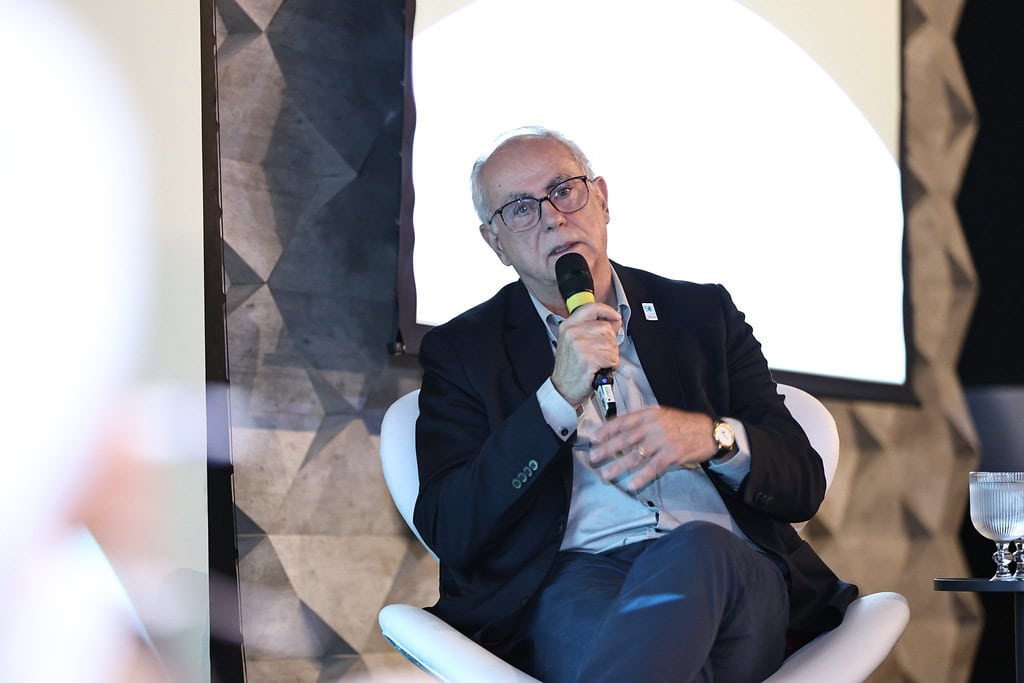
In the participants’ view, the enactment of the new legal framework for critical minerals is a step forward in establishing a state policy for the sector, but clarity is still needed on the prioritization criteria and the operating mechanisms of the National Council for the Industrialization of Critical and Strategic Minerals (CIMCE). For Julio Nery, defining a list of priority minerals will be essential to guide investment and Brazilian industrial policy.
The IBRAM director also highlighted difficulties related to financing, environmental licensing, infrastructure and technological development. According to him, companies in the pre-production phase face obstacles in raising funds, while the country needs to expand support for research institutions to recover and develop mineral processing and separation technologies. “We need to build legislation here that brings these incentives to Brazil,” he said.
Predictability for investment
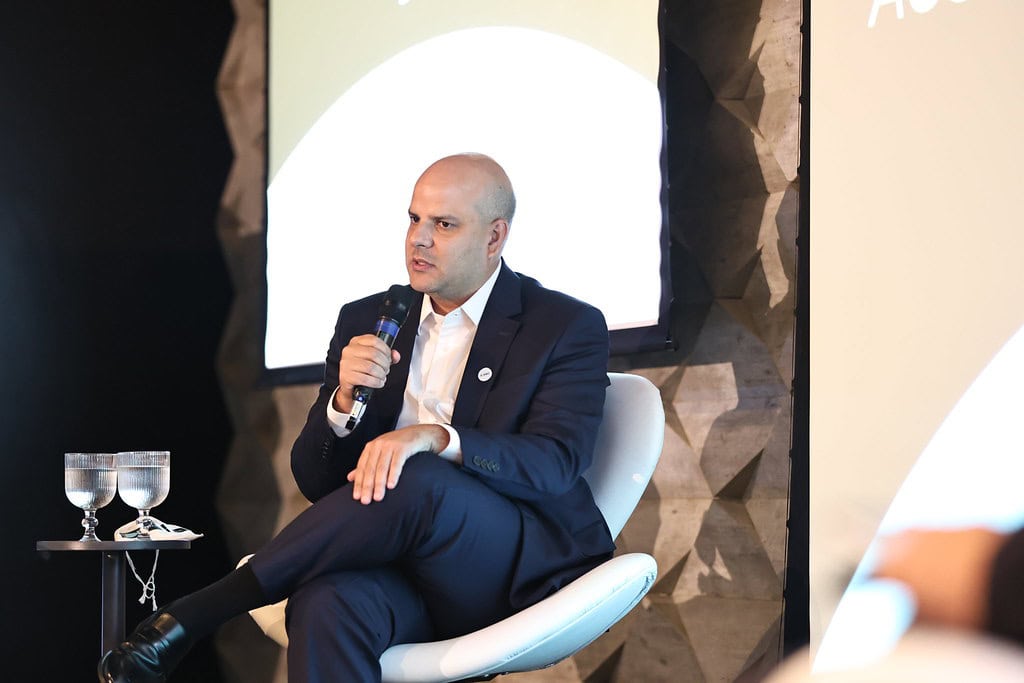
Frederico Bedran drew attention to the need to reconcile state control over projects deemed strategic with predictability for investors – click here to read more about the AMC director’s participation.
Industrial policy and value added
In the discussion on value added, participants stressed that the development of the rare earth production chain will not happen overnight. The activity involves different stages, from mining to separation, metallization and the manufacture of components used, for example, in electric motors.
For Julio Nery, an industrial policy is needed to generate demand and make the development of these stages economically viable in Brazil. He also stressed that other minerals, such as copper, need to be part of this strategy. “No electrical work functions without copper,” he said.
Aclara Resources addresses rare earth separation
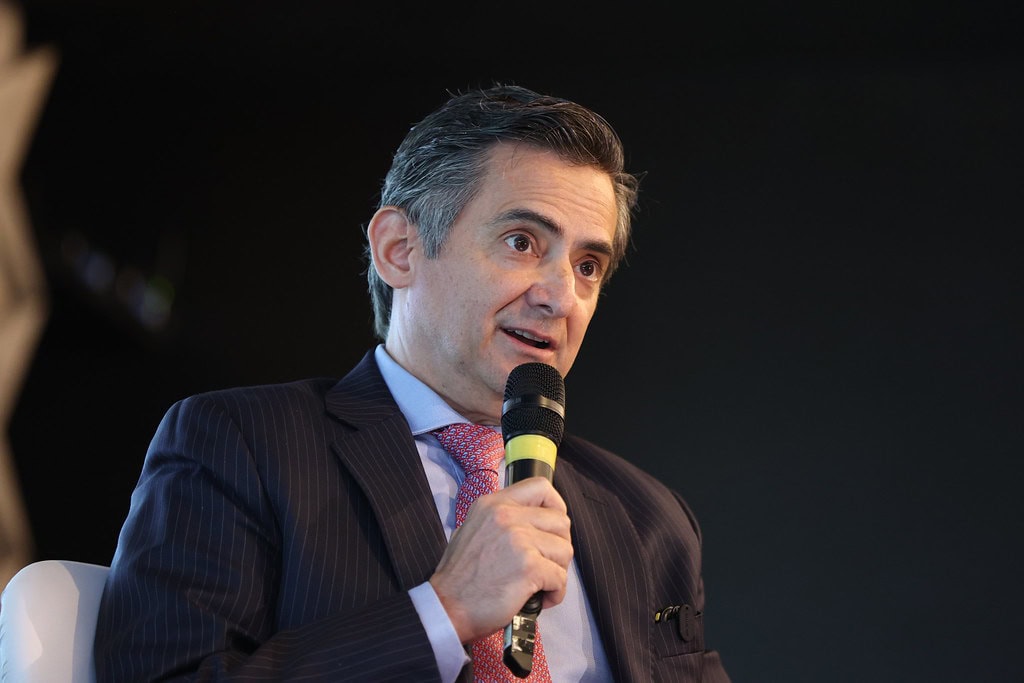
Jose Augusto Palma presented Aclara Resources’ project in Goiás as an example of gradual progress in the production chain. According to him, the company is studying carrying out in Brazil the first stage of rare earth separation associated with the Carina project, in Nova Roma, with the production of high-purity rare earth carbonate. The company also carries out research and development activities and maintains partnerships with universities.
For Palma, building a Brazilian chain depends on the progress of mining projects and, later, on developing suppliers, training the workforce, technological development and connecting with the consumer market. “Developing the technology and the processes to create a supply chain and compete with that country is a process that doesn’t happen overnight,” he said, referring to the global concentration of the rare earth separation stage.
At the end of the panel, participants set out priorities for the coming months. Julio Nery called for defining which critical minerals will receive priority from the country and creating conditions for long-term investment. Jose Augusto Palma pointed to predictability and legal certainty as key conditions for the continuity of private investment.
The seminar was sponsored by the Brazilian Mining Institute (IBRAM) and the Brazilian Confederation of Agriculture and Livestock (CNA), through the Senar CNA System. Vallya Consulting and the Brazilian Center for International Relations (CEBRI) supported the organization of the seminar program.